Why Casual Games Are the Perfect Gateway to Engaging Simulation Games
In the ever-evolving landscape of gaming, casual games have emerged as a prevalent form of entertainment, appealing to a wide range of players. But what makes these seemingly simple games so attractive, especially as a pathway to more complex simulation games? Let’s take a closer look.
Understanding Casual Games
Casual games are characterized by their accessibility and straightforward mechanics. They typically require minimal learning time and can be played in short bursts, making them ideal for players of all ages. Popular examples include mobile games like Candy Crush and Among Us, which invite both seasoned gamers and novices to have fun without a steep learning curve.
The Rise of Simulation Games
On the other hand, simulation games encompass a range of experiences that mimic real-life activities, allowing players to manage farms, cities, or even sports teams. Titles like The Sims and EA Sports FC 24 offer deep gameplay that can be incredibly rewarding for those willing to invest the time. The complexity and layered mechanics of simulation games can feel daunting for new players.
How Casual Games Transition Players to Simulation Games
Here’s where casual games come in as a “gateway.” They serve as an introductory experience that can pique interest in simulation games due to their engaging gameplay elements. Key factors include:
- Incremental Learning: Casual games often introduce gameplay mechanics gradually, allowing players to become familiar with things like resource management or strategy without overwhelming them.
- Familiarity with Genres: Many casual games incorporate simulation elements, laying the groundwork for players to appreciate more complicated simulators.
- Social Interaction: Casual gaming often includes social components, which can encourage players to explore community-driven simulation experiences.
Connecting to EA Sports FC 24 Tournament
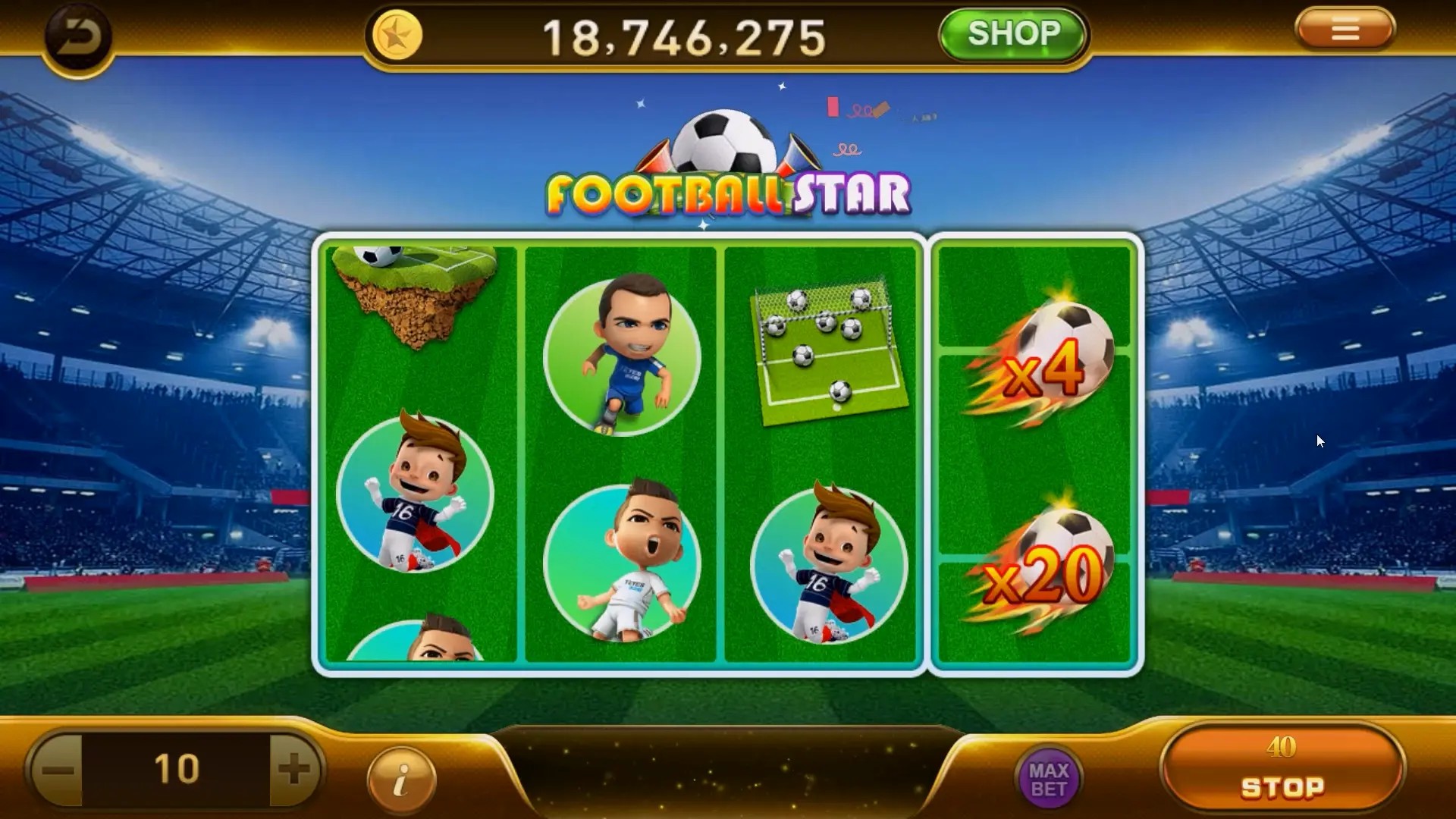
Take, for example, the excitement surrounding the EA Sports FC 24 tournament. Gamers familiar with casual football games may feel tempted to dive into the competitive depth of simulation titles, where they can manage teams, devise strategies, and participate in online tournaments. This transition proves that casual platforms can significantly boost engagement in more complicated formats.
Merchant RPG Games: A Niche within Casual and Simulation
A fascinating subset of gaming that ties together these two worlds is merchant RPG games. These games offer a unique blend of strategy, economics, and casual play, giving players a simplified yet engaging introduction to complex decision-making processes found in many simulation games.
Some popular merchant RPGs include:
- Moonlighter: Players manage a shop while battling through dungeons.
- Adventure Capitalist: A humorous take on capitalism, emphasizing resource management.
- Stardew Valley: While mainly a farming simulator, it includes elements of trading and shop management.
Benefits of Transitioning from Casual to Simulation Games
Players who start with casual games can enjoy numerous benefits when they move into the realm of simulation, such as:
| Benefit | Description |
|---|---|
| Enhanced Problem-Solving Skills | Simulation games often require critical thinking and strategy, which can enhance cognitive abilities. |
| Community and Competition | Simulation titles often feature robust online communities, providing social interaction and competition. |
| Investment in Depth | Sinking time into complex simulations can lead to a more immersive experience and deep sense of achievement. |
The Future of Casual Gaming as a Gateway
The gaming market is continually evolving, and the growth of casual games as a gateway to more complex simulations is likely to increase. Developers may continue to create games that blend the two genres, attracting broader audiences through enhanced storytelling and gameplay elements that draw players in.
Conclusion
To sum up, casual games serve as a crucial stepping stone for players eager to explore the more intricate world of simulation games. By lowering the entry barriers and offering engaging experiences, they create a pathway that not only entertains but also fosters a new generation of gamers eager to embrace more complex challenges. As the industry expands, the synergy between casual and simulation genres will likely strengthen, bringing about an exciting era for all gaming enthusiasts.