Unlocking Learning: How Strategy Games Become Powerful Educational Tools
Introduction: The Intersection of Play and Learning
In today's fast-paced digital world, where attention spans are fleeting, educational strategies have evolved dramatically. Among the innovative methodologies, strategy games have emerged as compelling educational tools. These games not only entertain but also promote critical thinking, problem-solving, and decision-making—all essential skills for the modern learner.
The Essence of Strategy Games
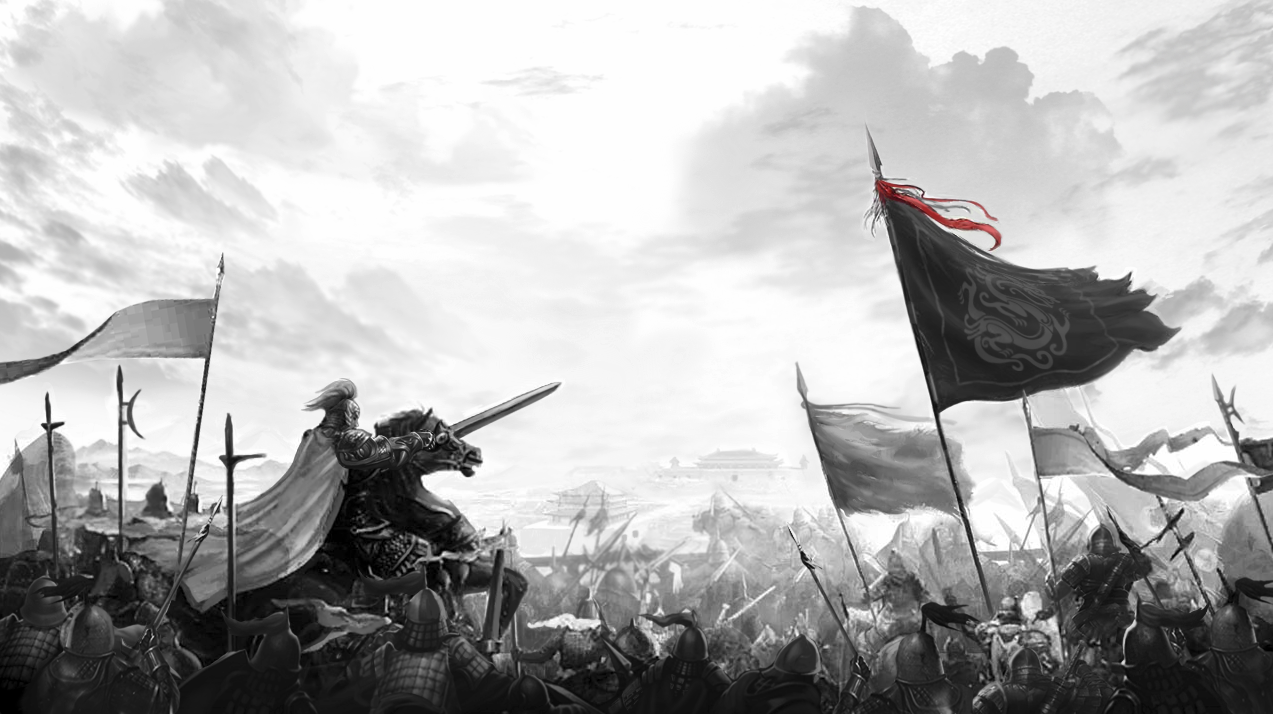
Strategy games require players to make tactical decisions that affect outcomes. This means engaging with scenarios that simulate real-world problems, allowing players to develop solutions. Definitions of what constitutes a strategy game vary, but they generally involve:
- Resource management
- Long-term planning
- Dynamic environments
- Complex decision-making
Why Use Strategy Games as Educational Tools?
There are numerous advantages to utilizing strategy games in educational settings:
- Engagement: Students are often more engaged when learning is fun.
- Critical Thinking: Players must think critically to succeed.
- Collaboration: Many games promote teamwork.
- Adaptability: Players adapt to changing scenarios, mimicking real-life challenges.
Story-Based Games: The Narrative Component
Storytelling in educational games adds another layer of learning. Players are not only strategizing but also experiencing narratives that enhance empathy and understanding. For instance, story games on mobile platforms can take players through historical events, enabling them to live through the decisions faced by characters in those times.
Last War Survival: A Case Study
Consider the last war survival game apple store as a prime example. This game immerses players in a post-apocalyptic scenario where survival hinges on resource allocation and strategic alliances. Through this gameplay, users are exposed to various moral dilemmas, teaching valuable lessons in ethics and teamwork.
Incorporating Strategy Games in Classroom Settings
To effectively integrate strategy games into educational curriculums, educators should consider:
- Aligning game objectives with educational goals
- Creating a supportive environment for discussion
- Encouraging collaboration between students
- Providing feedback to enhance learning outcomes
The Role of Technology: Mobile Accessibility
As mobile technology advances, strategy games are more accessible than ever. Devices facilitate learning anytime and anywhere, breaking down traditional classroom barriers. Educators should harness this potential to enhance learning experiences. With story games on mobile, students can engage with complex narratives while traveling, waiting, or relaxing.
Measuring Learning Outcomes Through Games
One of the challenges of integrating strategy games into education is assessing their impact. Here are some metrics that can help:
| Metric | Description |
|---|---|
| Engagement Levels | Assessing how actively students participate in the gameplay. |
| Skill Development | Identifying growth in critical thinking and problem-solving abilities. |
| Collaboration | Evaluating teamwork and communication among peers. |
Overcoming Obstacles: Challenges in Implementing Strategy Games
While the benefits are clear, there are challenges to consider:
- Resistance from traditional educators
- Lack of resources and technology in classrooms
- Ensuring that games are age-appropriate and educational
Collaboration with Game Developers and Educators
Partnerships between educators and game developers can pave the way for creating tailored educational experiences. By working together, they can ensure that games teach critical skills while keeping students engaged. This collaboration can also lead to the development of niche games specific to certain subjects or skills.
Future Perspectives: The Evolution of Learning Through Play
The future of education is poised for transformation. With an increasing number of innovative learning methods, strategy games will become integral components of curricula worldwide. As they evolve, they will continue to enrich the learning experiences of students, bridging the gap between play and education.
Conclusion: The Potential of Strategy Games in Education
In conclusion, the fusion of strategy games with educational practices offers a promising avenue for enhancing learning experiences. By tapping into the engaging nature of play, educators can motivate students to develop critical skills necessary for success in the 21st century. As we embrace these tools, we unlock a new dimension of learning that is interactive, impactful, and infinitely valuable.