Exploring the Impact of RPG Games on Open World Game Design: A New Era of Immersive Experiences
In the realm of digital entertainment, RPG (Role-Playing Games) have carved out a niche that transcends traditional gaming boundaries. Their influence on open world games is profound, reshaping how developers envision immersive gaming experiences. From intricate storylines to expansive environments, the synthesis of RPG elements in open world games has ushered in a new era of engagement.
The Evolution of RPGs in Open World Gaming
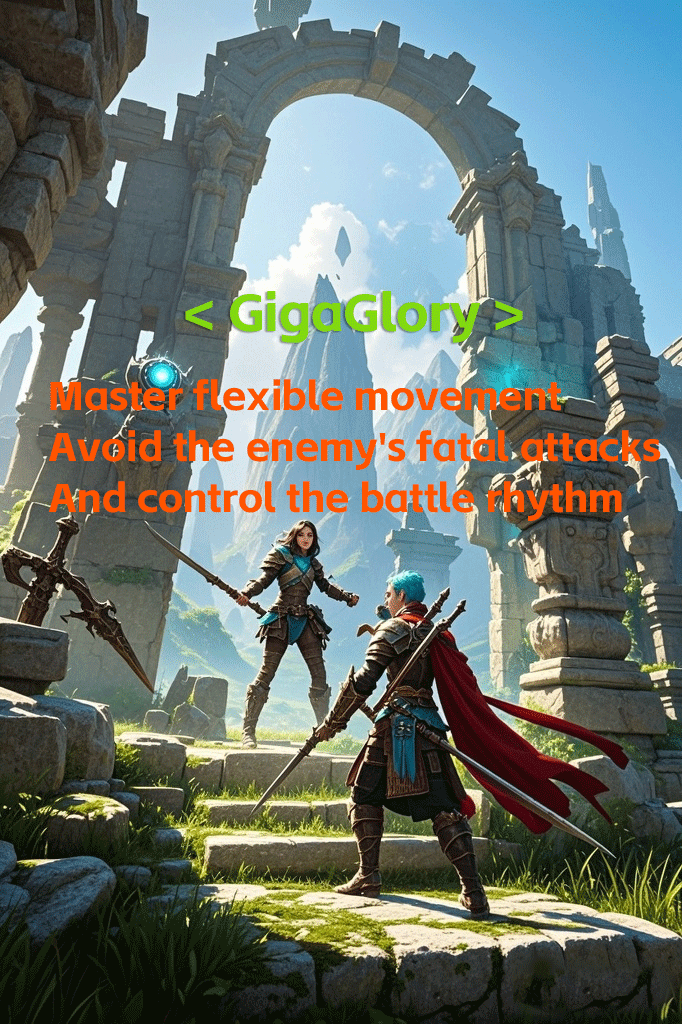
RPGs were once characterized by static worlds and linear narratives, but as technology evolved, so did their mechanics. Today, they seamlessly blend with open world design, creating vast landscapes filled with quests, lore, and player agency. Players no longer follow a predetermined path; instead, they can explore myriad possibilities. The critical question arises: how have RPGs altered the landscape of open world games?
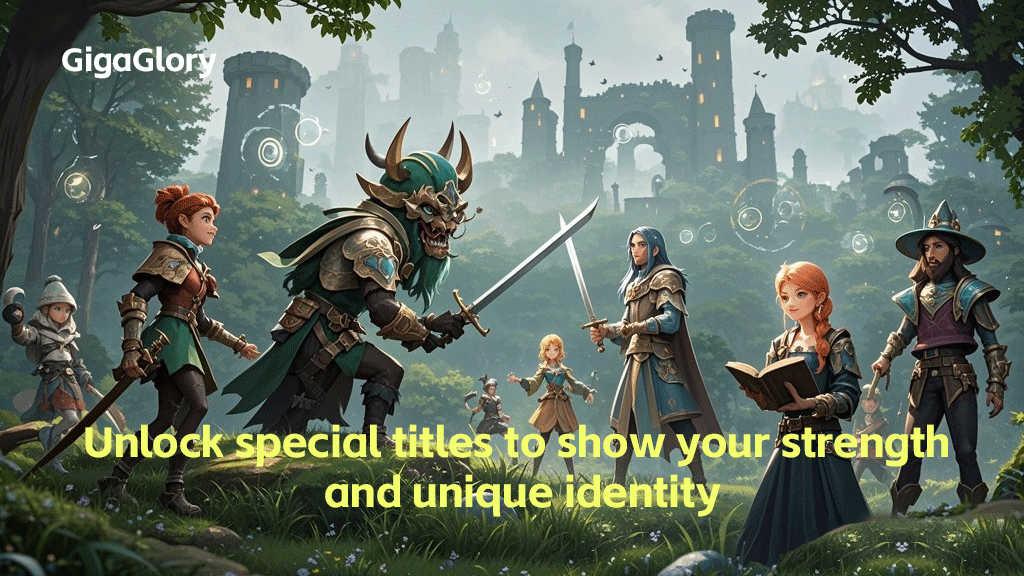
- Dynamic Storytelling: Players not only observe the story but become a part of it, making decisions that affect outcomes.
- Character Development: RPGs offer deep character customization that allows players to tailor their experiences.
- Exploration Freedom: The open world invites players to engage with the environment in a meaningful way, with hidden secrets and lore scattered throughout.
Key Features Derived from RPGs in Open World Games
The integration of RPG techniques into open world design has birthed essential features that redefine gameplay. Here’s a concise breakdown:
| Feature | Description |
|---|---|
| Quest Systems | Variety of quests encouraging exploration, from main story arcs to side missions. |
| NPC Interaction | Rich dialogues and character arcs linked to player choices. |
| World-building | Robust lore and backstory contribute to a more immersive environment. |
| Skill Trees | Players can enhance their abilities based on play style, augmenting the experience. |
The Youth Perspective: Engaging a New Generation
The latest titles in the gaming arena, notably EA Sports FC 24 and others, resonate deeply with the youth. This demographic seeks not just entertainment but connection and relatability in their experiences.
Incorporating RPG elements into open world settings allows players to feel a sense of ownership over their narratives. The ability to create their characters and embark on quests that align with their interests makes titles more appealing. This trend is particularly crucial in engaging younger audiences who value individuality in their gaming experiences.
Conclusion: Embracing the Future of Gaming
As we delve deeper into this intersection of RPGs and open world game design, it's clear the impact is lasting. From narrative depth to player agency, RPG mechanics empower players, creating memorable and immersive experiences.
In summary, the fusion of these gaming styles not only enhances entertainment but also redefines what gaming can be in the modern era. As titles like Delta Force prepare for their full release, the possibilities continue to evolve, promising exciting opportunities for both developers and players alike.